
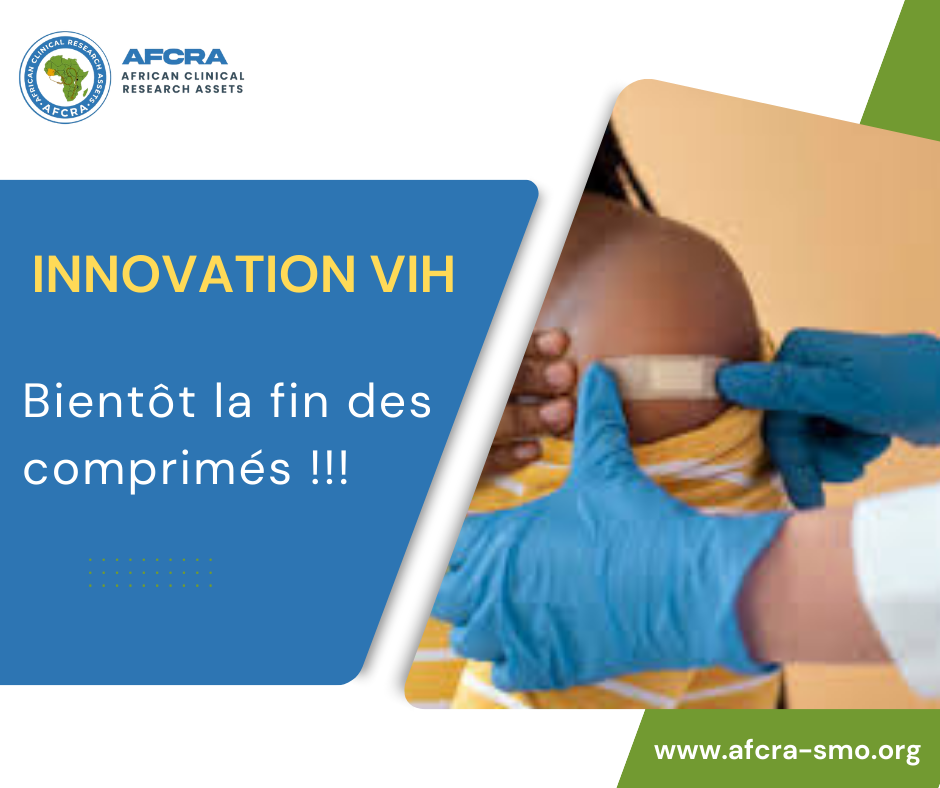
HIV remains one of the most pressing public health challenges in Africa, particularly affecting the young women. A major scientific breakthrough could be a game changer: the development of a new preventative drug administered only twice a year.
The limitations of current prevention
Until now, HIV prevention has relied primarily on the oral pre-exposure prophylaxis (PrEP), requiring daily administration. This adherence requirement significantly limits its effectiveness in practice. Furthermore, in the vast majority of people on antiretroviral therapy, stopping treatment leads to... rapid rebound of viral load, accompanied by a weakening of the immune system linked to a decrease in CD4+ T lymphocytes.
Lenacapavir: a revolution in two injections per year
In a recent clinical study conducted in South Africa and Uganda, a new preventive antiretroviral — the lenacapavir — has demonstrated particularly promising results. Administered in the form of two injections per year, It prevented any HIV infection among the study participants.
- 💉 2 injections per year only — versus a daily oral intake
- 🛡️ Zero infection HIV recorded in participants during the study
- 🌍 A solution tailored to most vulnerable populations in Africa
A concrete hope for Africa
If these results are confirmed on a larger scale, the lenacapavir could be made available to African populations, offering a effective and lasting protection against HIV. This advance would greatly simplify prevention and improve access to care, particularly in the most affected areas.
This is precisely the kind of progress that clinical research in Africa must accelerate. At AFCRA SMO, we support the development of clinical trials so that these innovations primarily benefit African populations.
— The AFCRA SMO Team
Sources:
- Le Monde — HIV: an effective preventative drug with two injections per year
- UN Women — HIV/AIDS: Facts and Figures
- Vaccine Research Institute — Preventive Trials
Tags: # Clinical Research | #S Public Health | #VIH | # Innovation | # Africa | #AFCRA